Shooting sports software2025–present
Aimlink.ai
Co-founder · major shareholder
I work on AI and software architecture, including how range data reaches an athlete’s training record.
My work covers AI-assisted development, security engineering, robotics and underwater acoustics. I co-founded Aimlink.ai and work on the architecture of its shooting sports apps.
Product engineering
Software for athlete training records, club operations and range scoring.
Shooting sports software2025–present
Co-founder · major shareholder
I work on AI and software architecture, including how range data reaches an athlete’s training record.
A range result can feed training records, club records and competition standings. Each view needs to reflect the same result when a score is corrected.
Photos, electronic targets and scores entered by officials carry different information. Flag ambiguous readings, missing data and conflicting scores.
Associate each result with an athlete, session and discipline. Training comparisons depend on the detail captured, from total scores to individual impacts.
Handle late or duplicate results. Record corrections and propagate the same revision to training records and published standings.
Coaching analysis needs comparable training sessions. Live commentary needs confirmed standings and a clear status for scores under review.
Engineering practice
I keep decisions, failed approaches and test results alongside the code. Later sessions can verify what was tried and resume from the evidence.
I define the acceptance checks before an agent changes code. When an API changes, I test it through the app that calls it.
I split the work into investigation, disproof, implementation and review.
Decisions and past attempts
Decisions that apply across projects
Inspect code, make changes, run tests
Code changes, test results and open questions
Read the code and prior attempts. Record the question, evidence and acceptance checks.
Look for counterexamples. Check whether the behaviour is intended or whether a fix already exists.
Make a small, reversible change. Run the original case and the relevant regression checks.
Compare results with the acceptance checks. Keep, revise or revert the change and record why.
Research
I compare work with and without AI at the same quality bar. I look at time, review effort and what I can do independently afterwards.
I keep dated decisions in Markdown and Git. For a browser bug, I record the browser, viewport and observed failure so the next session can reproduce it.
Read the MemGPT paper Read the LongMemEval paperRecord the task, scope and last verified state. After a tool failure, verify any partial changes before retrying.
Count time spent learning, correcting and reviewing. Use a later task without AI to test what was retained.
When an agent misses a source or misreads a result, I change one part of the workflow and compare both versions using the same checks.
Read the Reflexion paperVulnerability assessment
I review software and protocols for vulnerabilities. I develop a security scanner that uses AI agents to conduct assessments.
I reproduce findings, establish who can trigger them, assess impact and verify proposed fixes.
Examine key handling and authentication guarantees.
Use scans and code review to identify cases worth testing.
Check reachability and safeguards. Record the evidence and remaining uncertainty.
Retest the original case and check for regressions.
AI security scanner
AI agents explore the system, test suspected vulnerabilities and record the evidence behind each finding.
Reviewer
Select the components and define the assessment goals.
Inspect findings during or after the run.
Decide which findings and fixes are ready to release.
AI agents
Read the assessment configuration.
Identify potential vulnerabilities.
Choose and run checks to confirm or rule out each lead.
Have a second reviewer check the evidence.
Group related findings where the evidence supports it.
Use the results to guide the next check. ↺ repeat
Test candidate fixes in isolation when patch drafting is enabled.
Record leads, confirmed issues and tested fixes.
Missed findings and false positives can become regression tests.
During a scan
Triage findingsRemove sensitive details before saving test cases.
Use verified changes in the next scan.
Between scans
Test changesBoth versions use the same scoring criteria and run limits.
The scanner applies the assessment configuration in code and logs each check.
Reviewers inspect the run log and sign off on results before release.
I compare missed findings, false positives and cost across versions on cases held out of development.
Reports document the cause, affected components and how to verify a fix.
The macOS scanner runs locally. The full workflow is in lab validation. Automated patching is at the design stage. Conventional scanners are separate tools in the broader security suite.
Impact measurements form one part of a result, alongside athlete, session and scoring data.
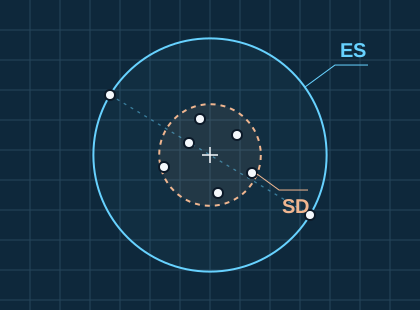
Extreme spreadDistance between the two farthest shots
Standard deviationSpread around the average position
Mean shotAverage impact position
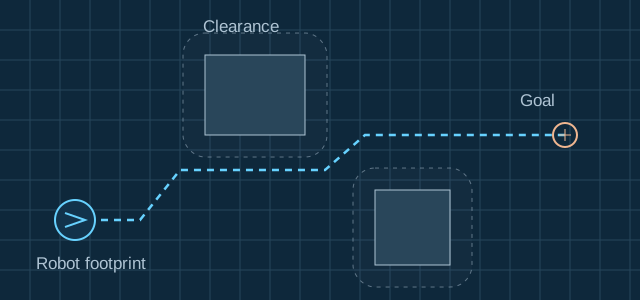
The robot estimates its position, plans around obstacles and updates its route from sensor readings.
The agent uses the task, notes and code. I review the diff and test results and record the decision.
I check the evidence for a suspected vulnerability and retest the original case against the proposed fix.
The diagrams use examples and sample data.
About
My background is in cryptography, digital identity and software engineering. I’ve built desktop and mobile apps and APIs in Java, Python and JavaScript. At Applied Crypto, I work on systems that connect software to cameras, sensors and other hardware.
I develop tool use, shared project memory and handoffs between agent sessions.
AI-assisted developmentI work on robot arms, navigation and sensor feedback.
System diagramsI review cryptographic code and protocols, validate findings and verify fixes.
Vulnerability analysisI use filtering, spectral analysis and beamforming on multisensor data, including underwater acoustics.
I extract features and measurements from images, including target photos.
Range data and scoringI design data models, APIs and application state for retries and partial failures.
Contact